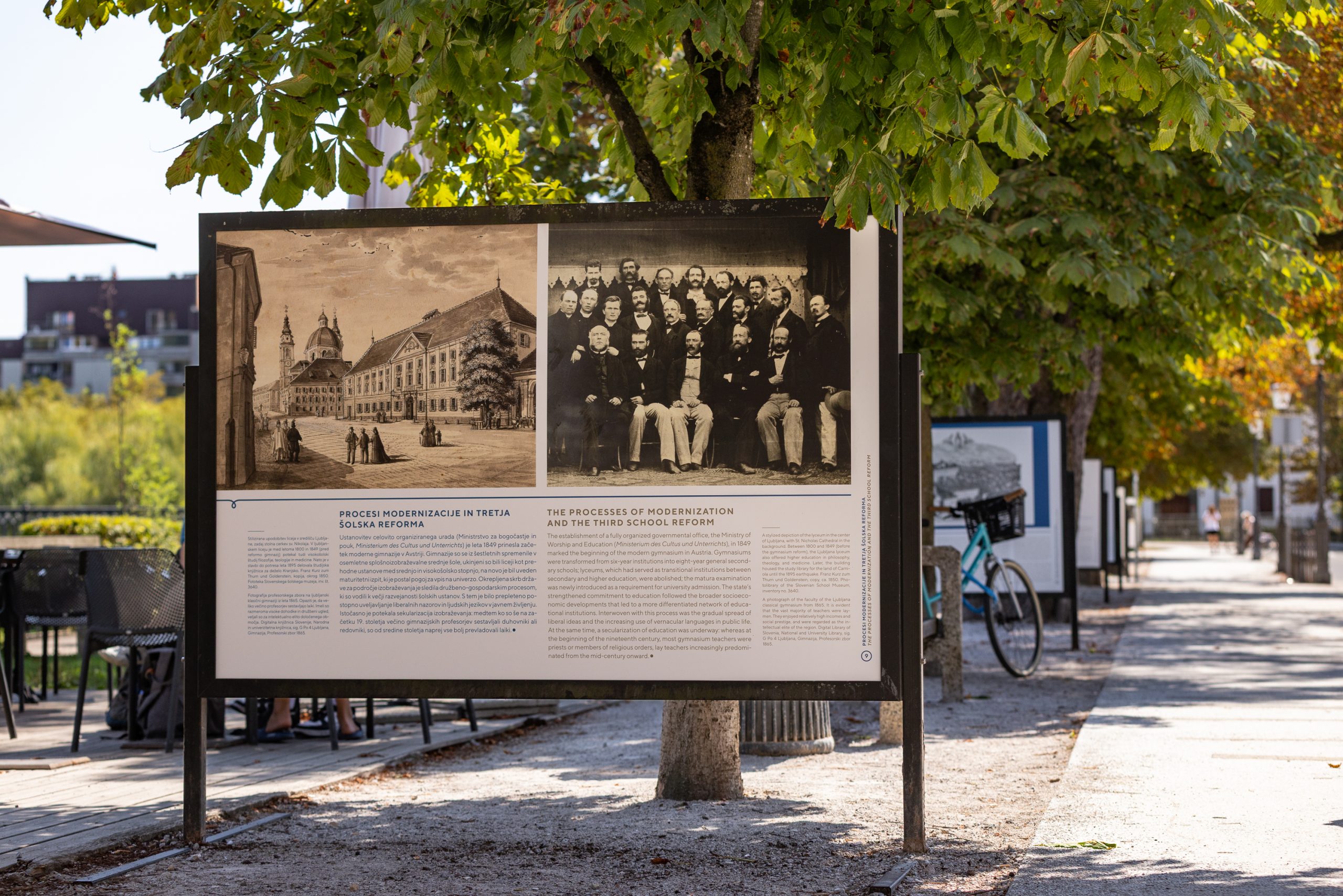
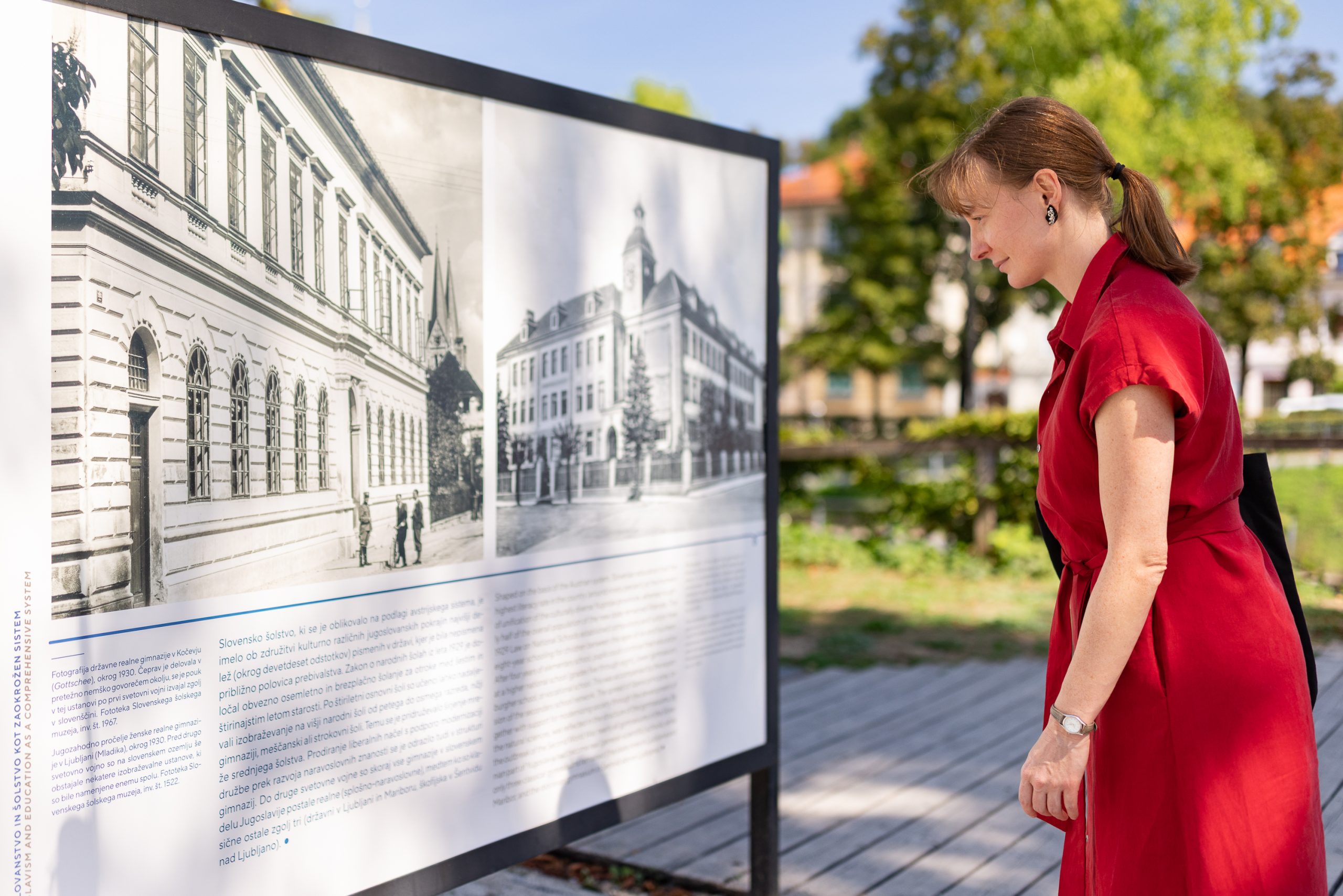
With the opening of the exhibition “State, Value Systems and Education”, we highlight the importance of education in shaping the individual and society
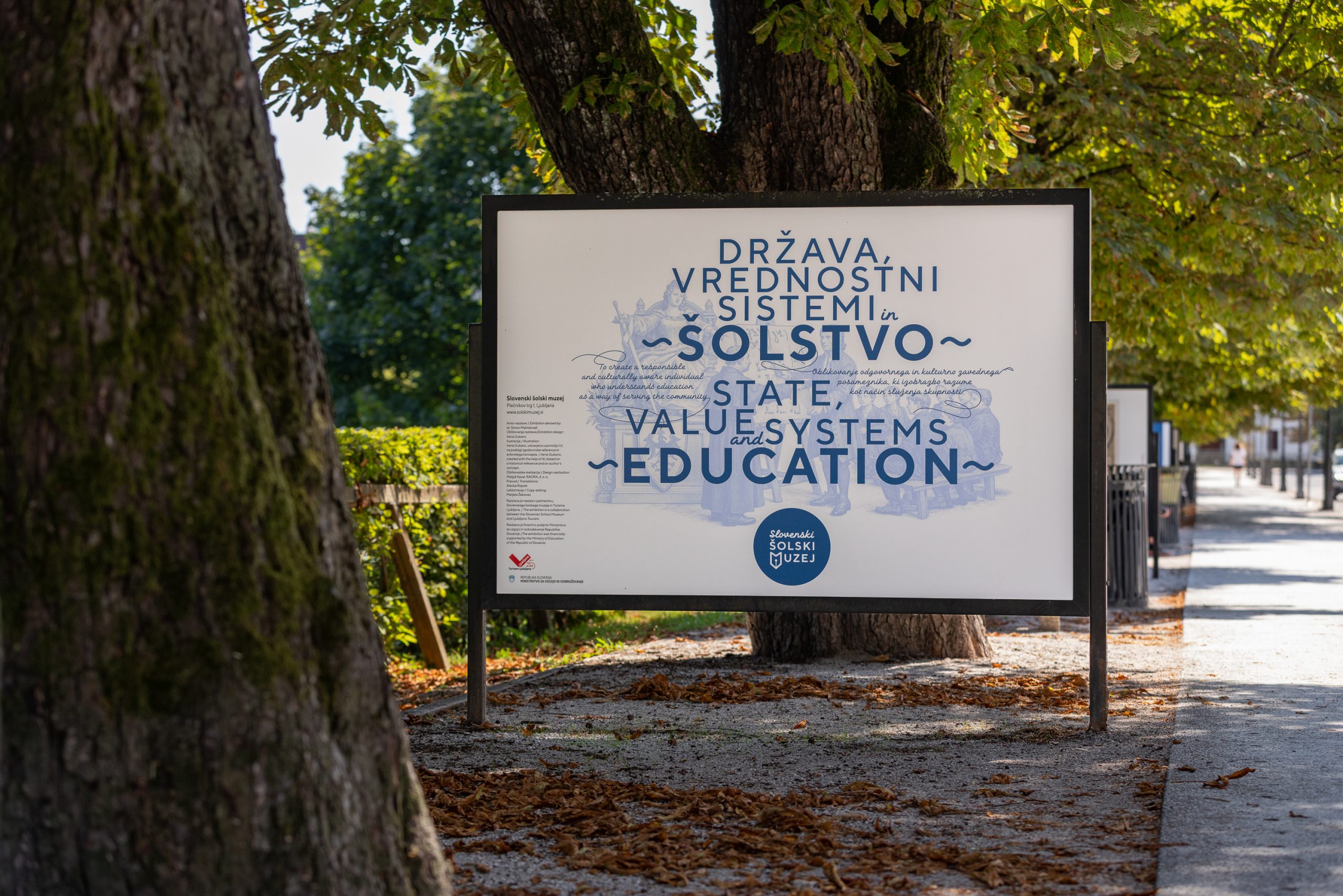
Ljubljana, 2 September 2026: We are pleased to announce the opening of the temporary exhibition “State, Value Systems, and Education,” dedicated to the modernisation processes in education in the territory of present-day Slovenia and its neighbouring regions from the reforms of Maria Theresa at the end of the 18th century to World War II. Curated by Dr Simon Malmenvall of the Slovenian School Museum, the exhibition will be on view from 27 August to 25 September 2026 on the Krakovo Embankment in Ljubljana.
During the aforementioned period, a comprehensive educational system was gradually established on Slovenian territory. The expansion of the school system, efforts to eradicate illiteracy, and the state’s growing commitment to education were all part of broader modernisation processes. However, the purpose of education was not merely to impart knowledge. Another key focus was to educate individuals to become responsible and culturally aware citizens who view their education as a form of service to the community. Education should thus extend beyond the walls of the classroom and engage with the wider social environment. A pedagogue was not just a teacher who imparted knowledge, but also an “enlightener,” a bearer of a broader social mission.
The development of modern education took place amid an ongoing interplay between new social circumstances and pre-existing spiritual and ethical values. The Catholic Church played a significant role in this, establishing its presence in education by providing religious instruction in schools and through a significant number of priests who also worked as teachers.
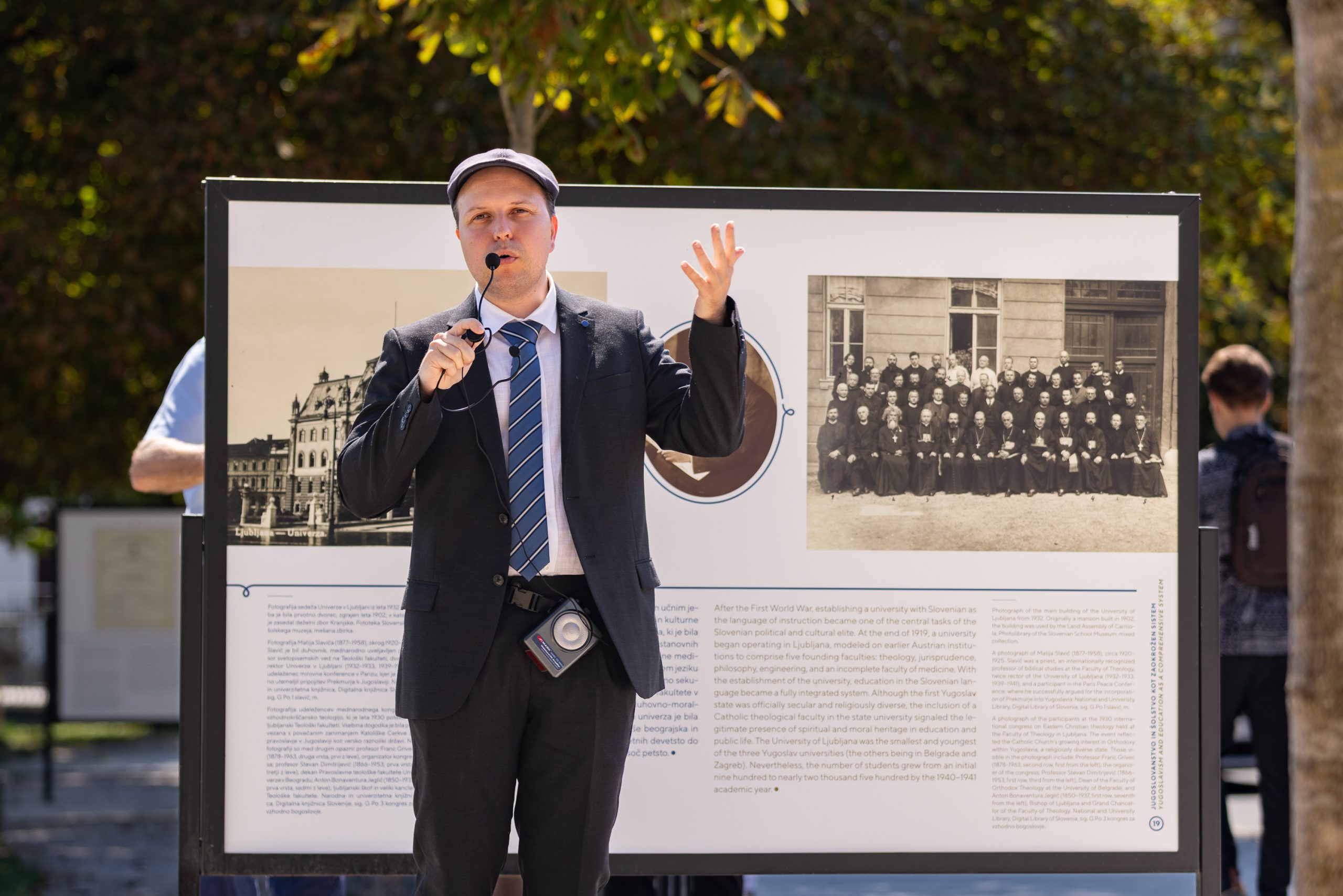
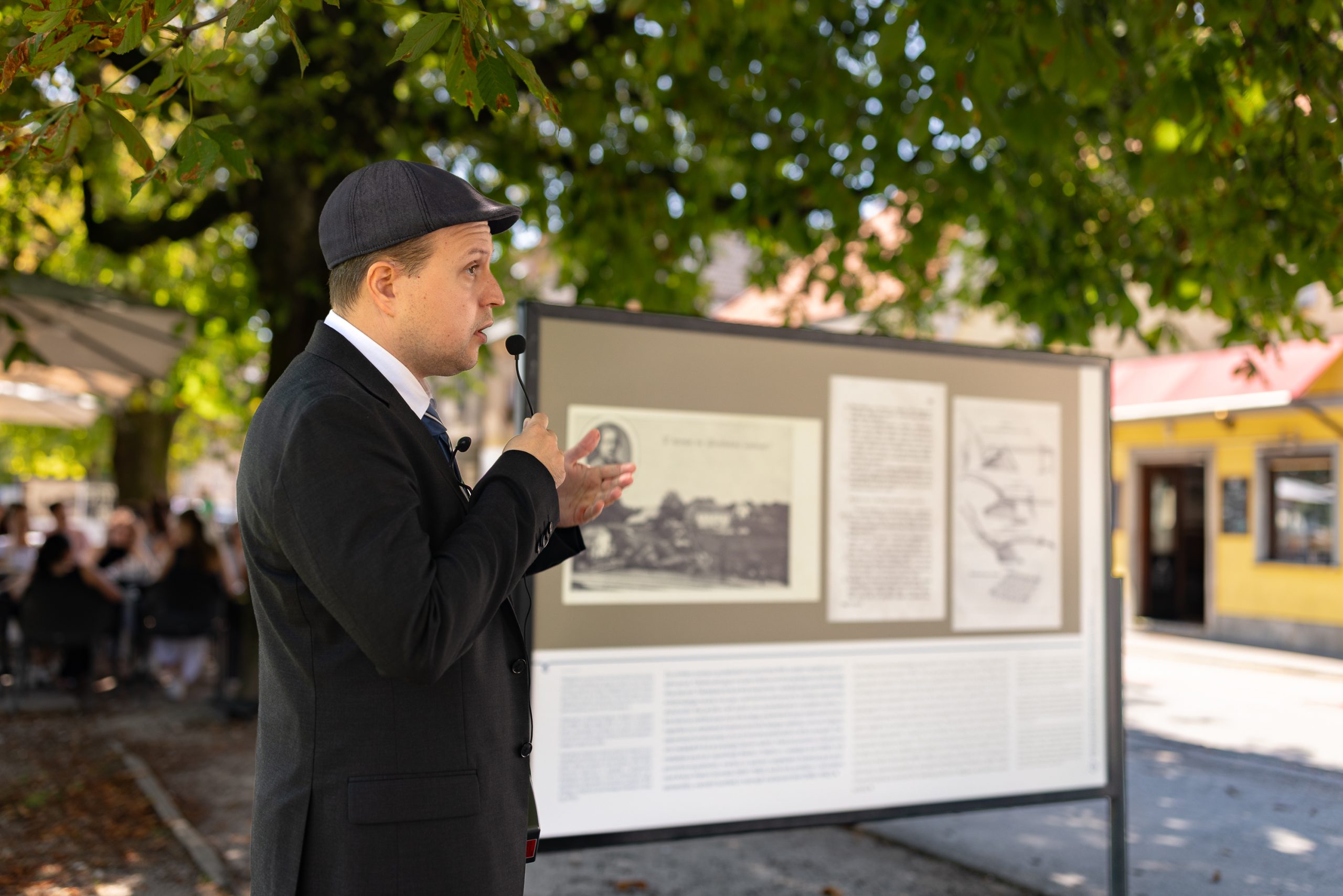
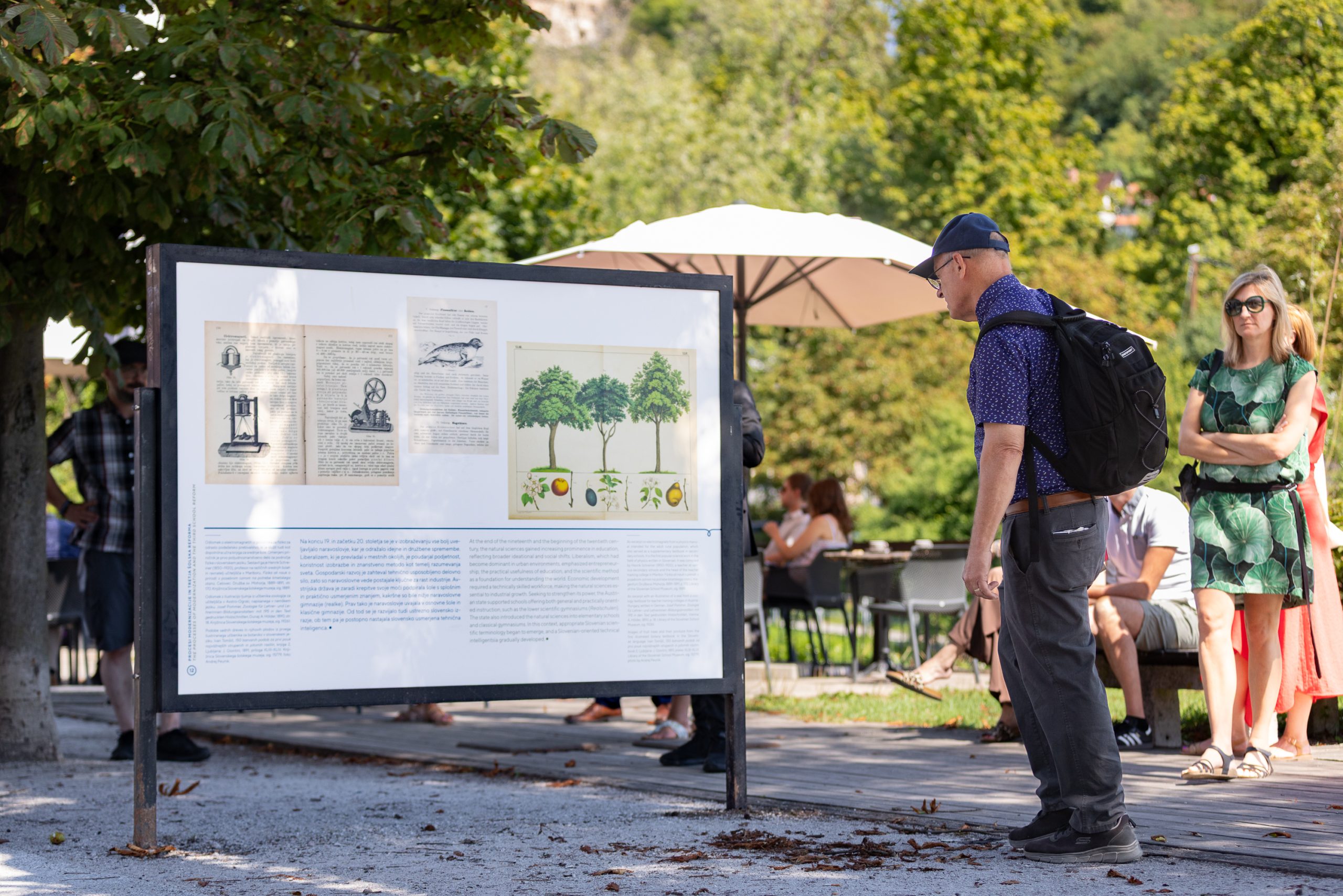
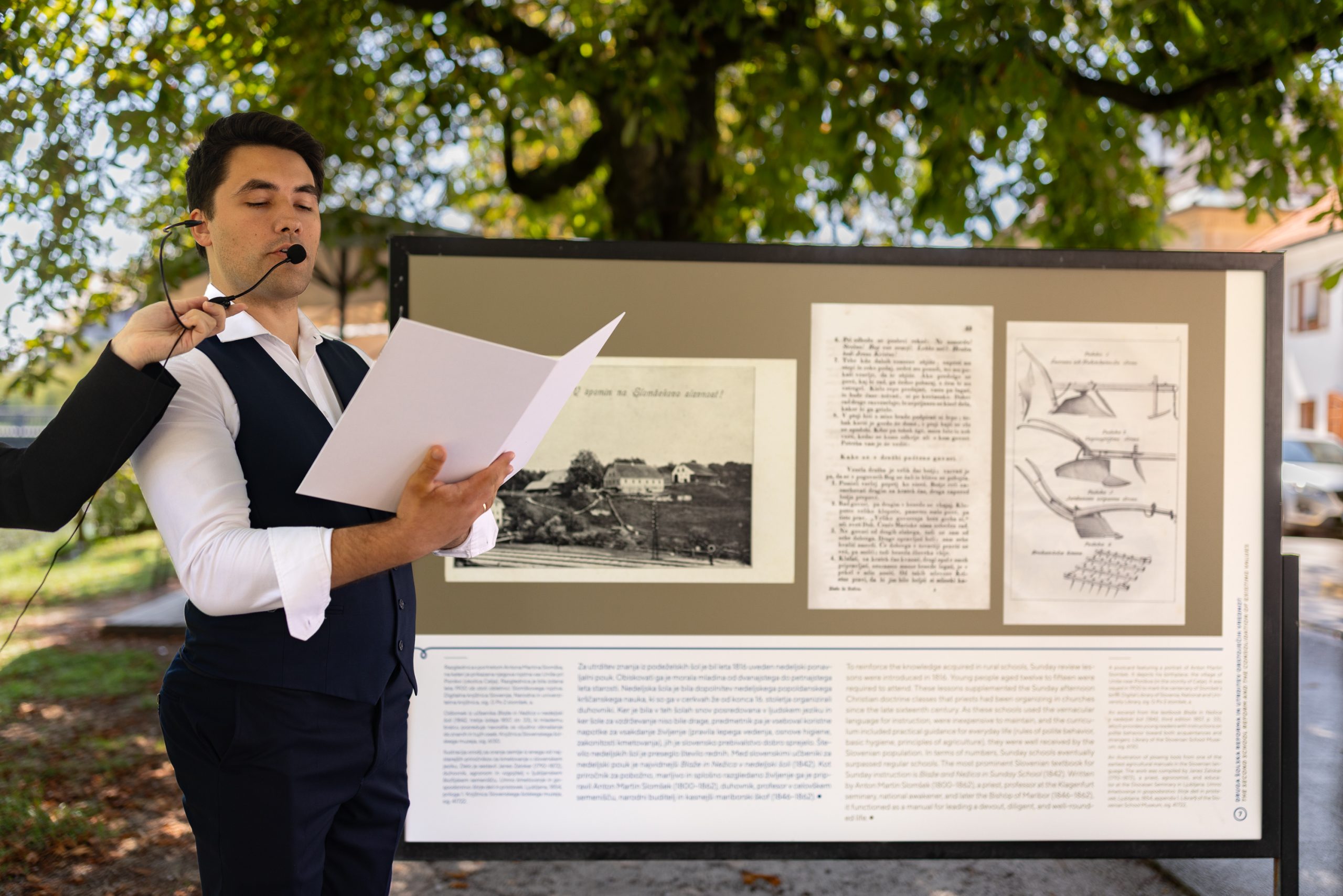
Both the state and the Church recognized their respective missions in educating young people. Their relationship varied: in some areas, they cooperated and complemented each other, while in others, they strove independently to influence the education and development of young people. At certain times and in certain matters, there were also instances of mutual exclusion. These processes are reflected in laws, curricula, textbooks, educational publications, and political debates, which the exhibition places within a broader social and intellectual context through 22 display panels. The exhibits include townscapes, photographs of teachers, illustrations, and excerpts from school textbooks.
At the opening, the curator of the exhibition, Dr Simon Malmenvall, said:
“Education has never been, and never will be, value-neutral. It has always been shaped by those who established and funded it. Education reflects the society in which it operates, and, at the same time, shapes that society’s present and future. During the period and in the context under consideration, the educational process placed great emphasis on commitment to the national framework and the language of the majority population, upon which the modern Slovenian nation was built. There was also a process of secularisation evident in the form of a reduction in religious content and in the number of clergy serving as teachers; however, this did not yet mean the exclusion of the Church from schools and broader social life. From the time of Maria Theresa to World War II, a distinctively Slovenian model of education gradually but noticeably took shape. Combining Enlightenment rationalism, state organisation, and the Christian cultural tradition, it emphasised the education of responsible individuals with a strong sense of national and cultural identity. The education of individuals has always been understood as a social responsibility and a service to the community.”
The exhibition was a collaboration between the Slovenian School Museum and Ljubljana Tourism, with financial support from the Ministry of Education, Science, and Youth.
Foto: Andrej Peunik