We opened the exhibition “Knowledge on a Thread”
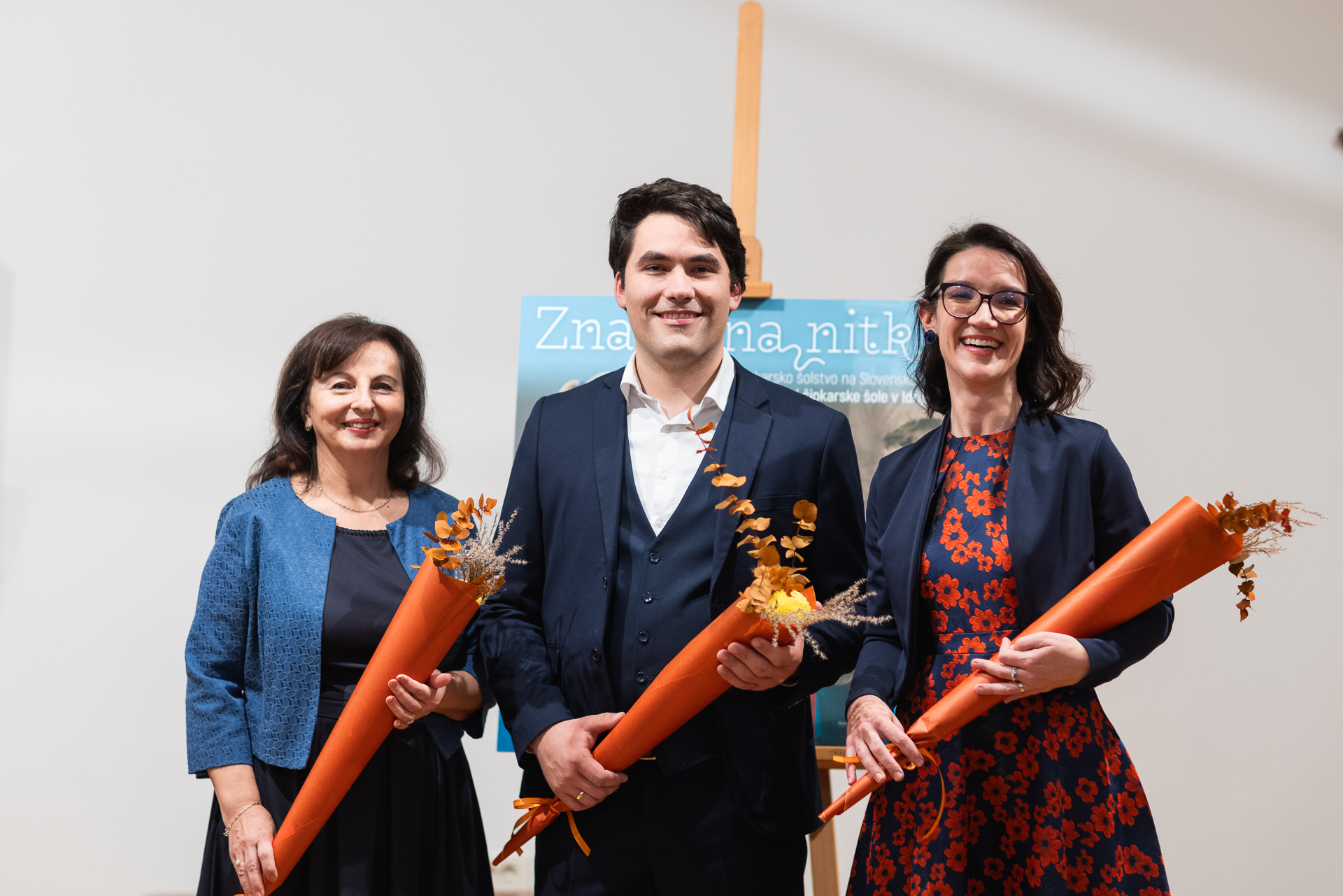
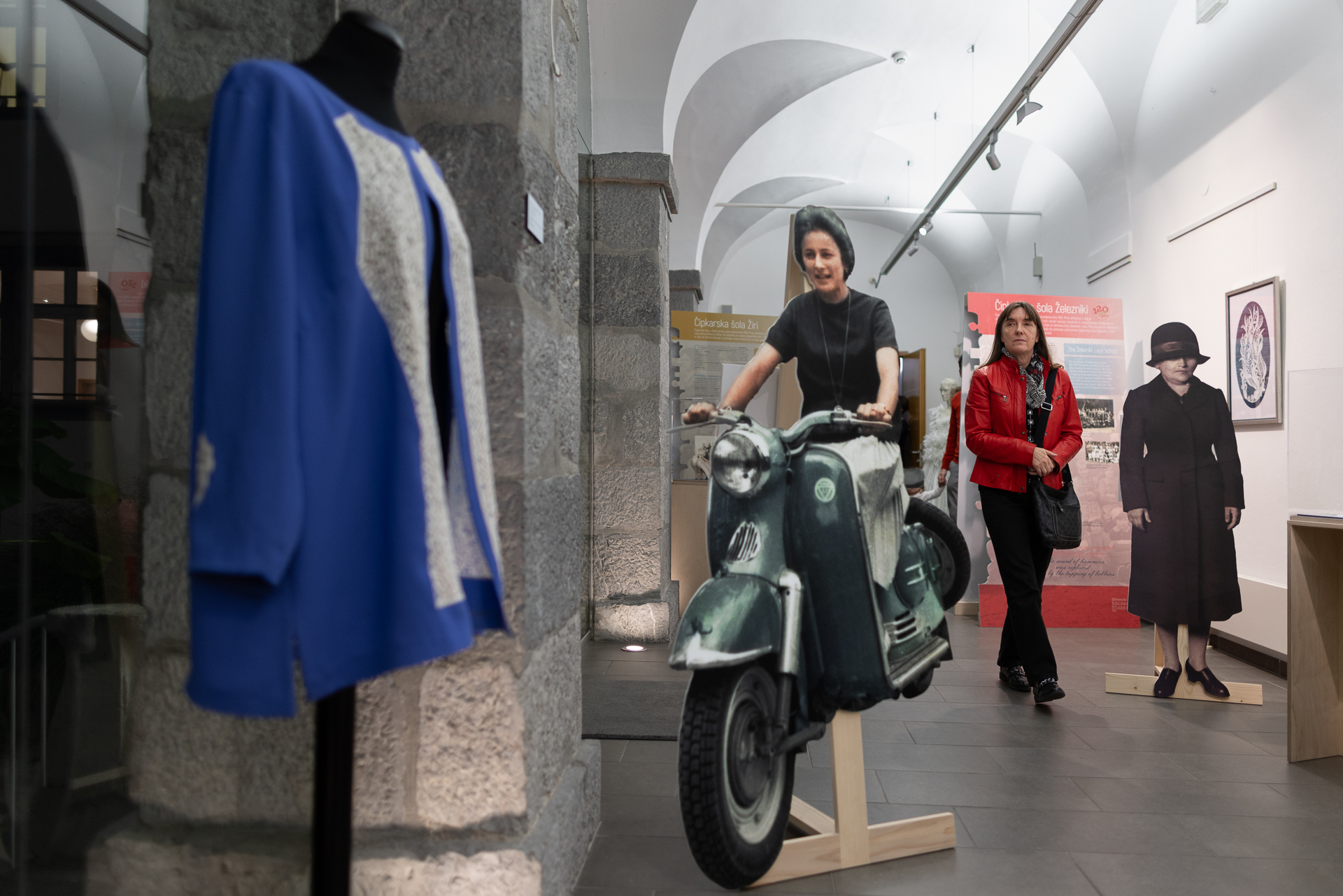
Ljubljana, November 3, 2026 – We have opened a temporary exhibition titled Thread of Knowledge: A Glimpse into Lace-Making Education in Slovenian Territory to Mark the 150th Anniversary of the Idrija Lace School. The exhibition weaves together the development of lace-making education in various locations across Slovenia—from the earliest organized forms of lace-making instruction to the present day—into a single narrative. Through the exhibited works, documents, and photographs, the exhibition sheds light on the rich history of lace-making education and pays tribute to generations of lacemakers, teachers, and creators who have made significant contributions to the preservation and development of the lace-making heritage. The exhibition also raises questions about how we ensure the transmission of knowledge and valuable skills to future generations today. The exhibition was curated by Marjetka Balkovec Debevec, M.A., Polona Koželj, and Gregor Gartner.
Lace is more than just a decorative object; it is an important part of cultural heritage that embodies the knowledge, creativity, skill, and everyday life of many generations.The creation of this temporary exhibition was inspired by the 150th anniversary of the lace-making school in Idrija, while we are also marking the 130th anniversary of the founding of the bobbin-lace department at the Women’s Craft Lace-Making School, which operated in Ljubljana, and the 120th anniversary of the lace-making schools in Žiri and Železniki.
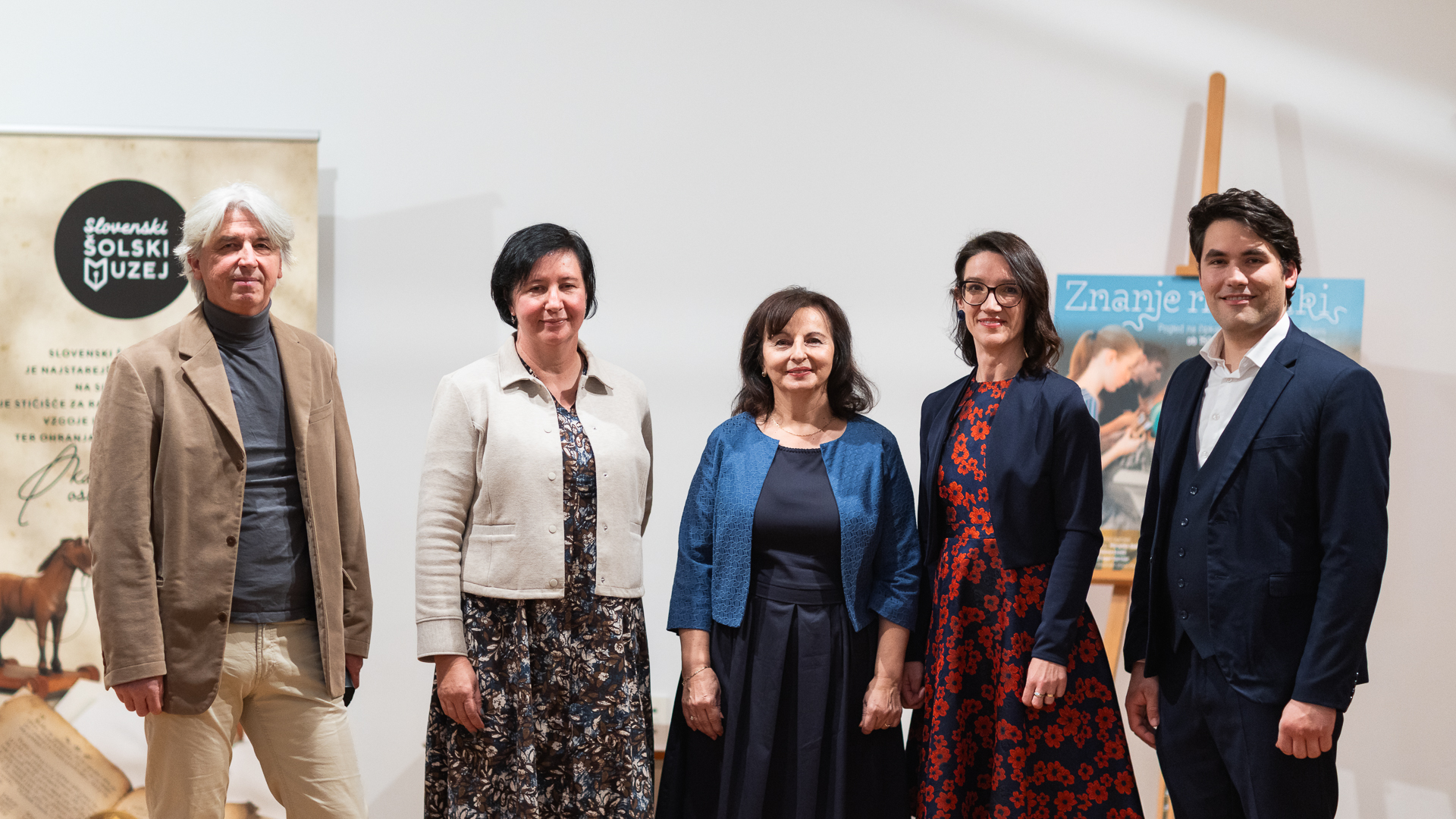
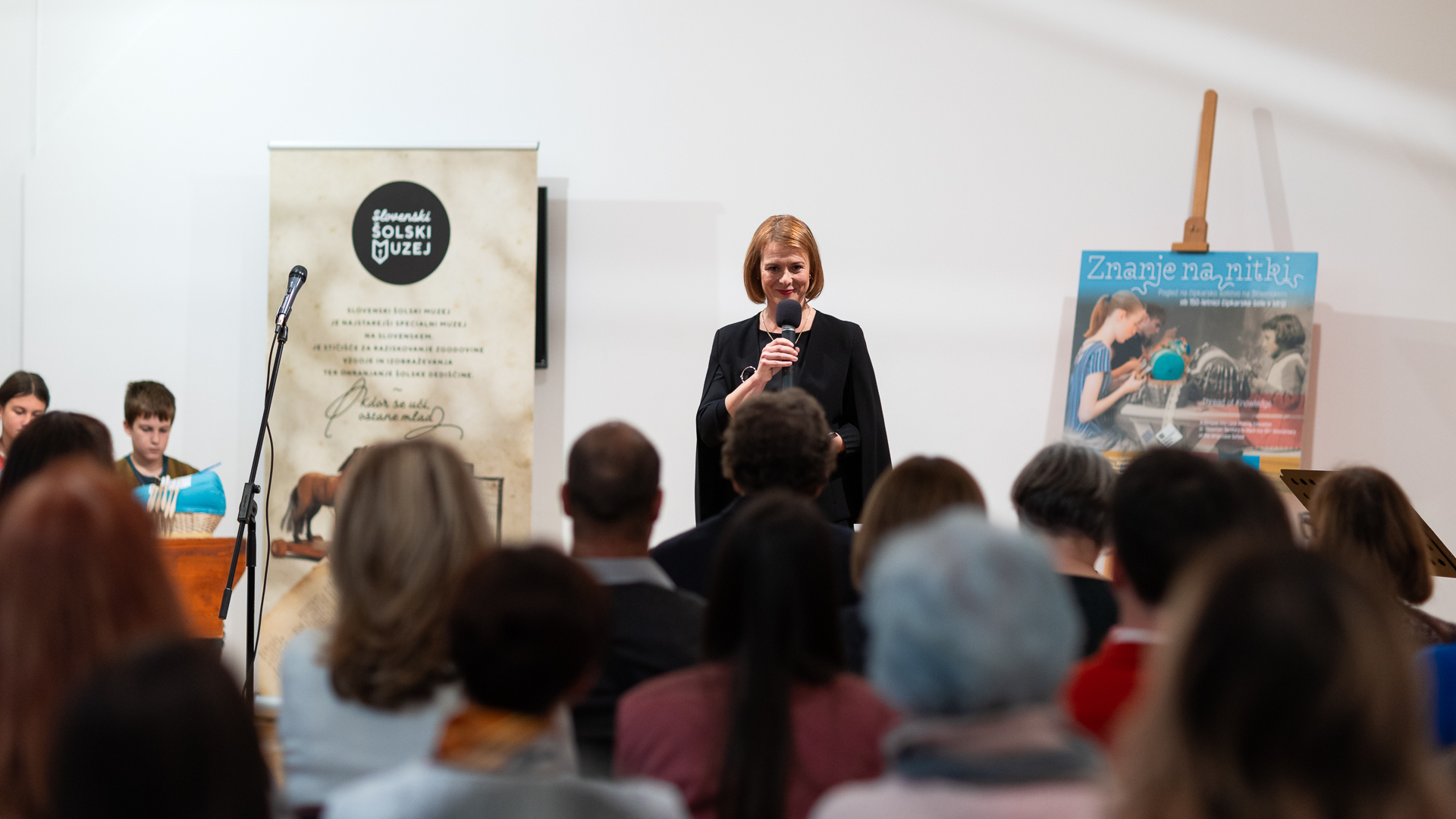
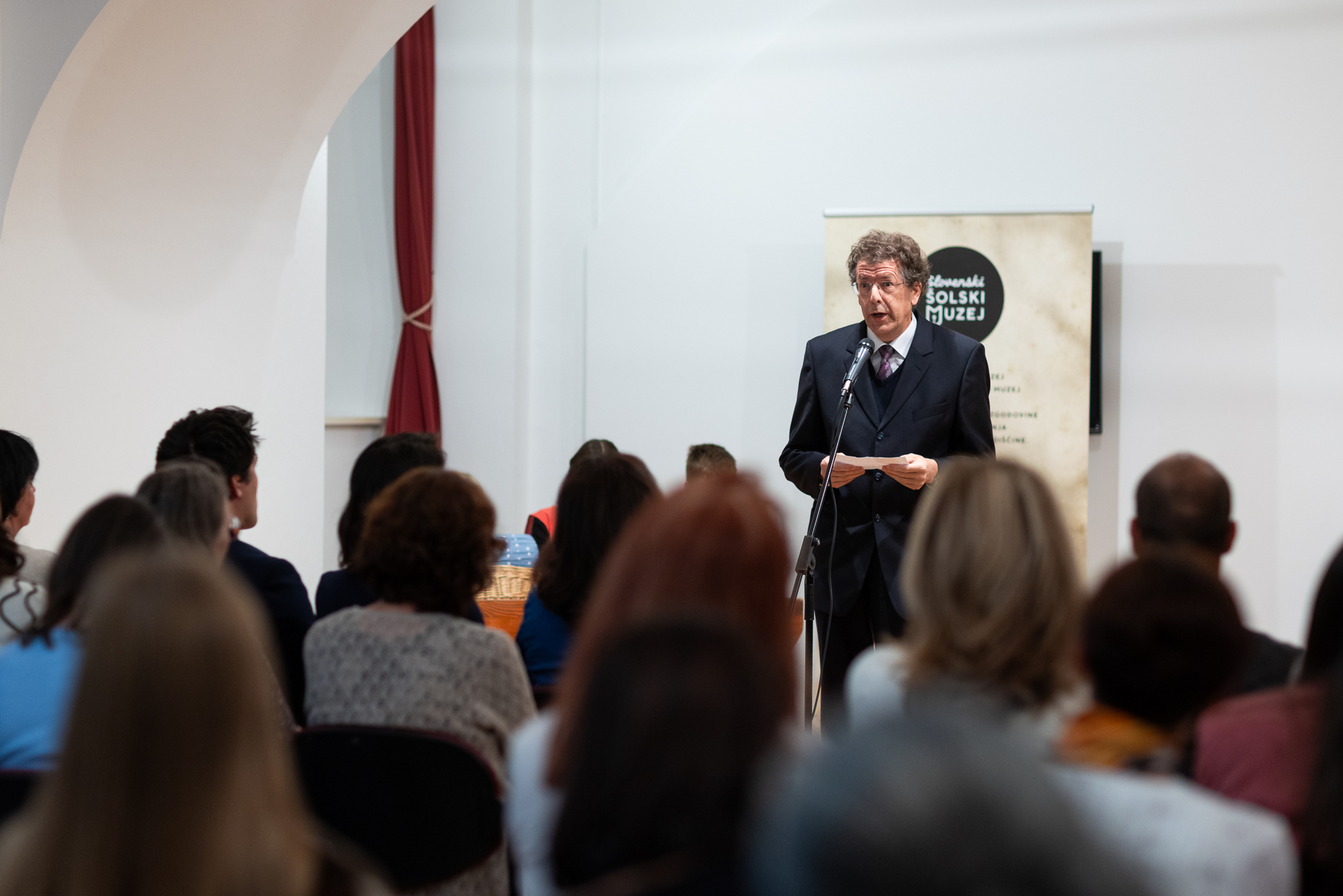
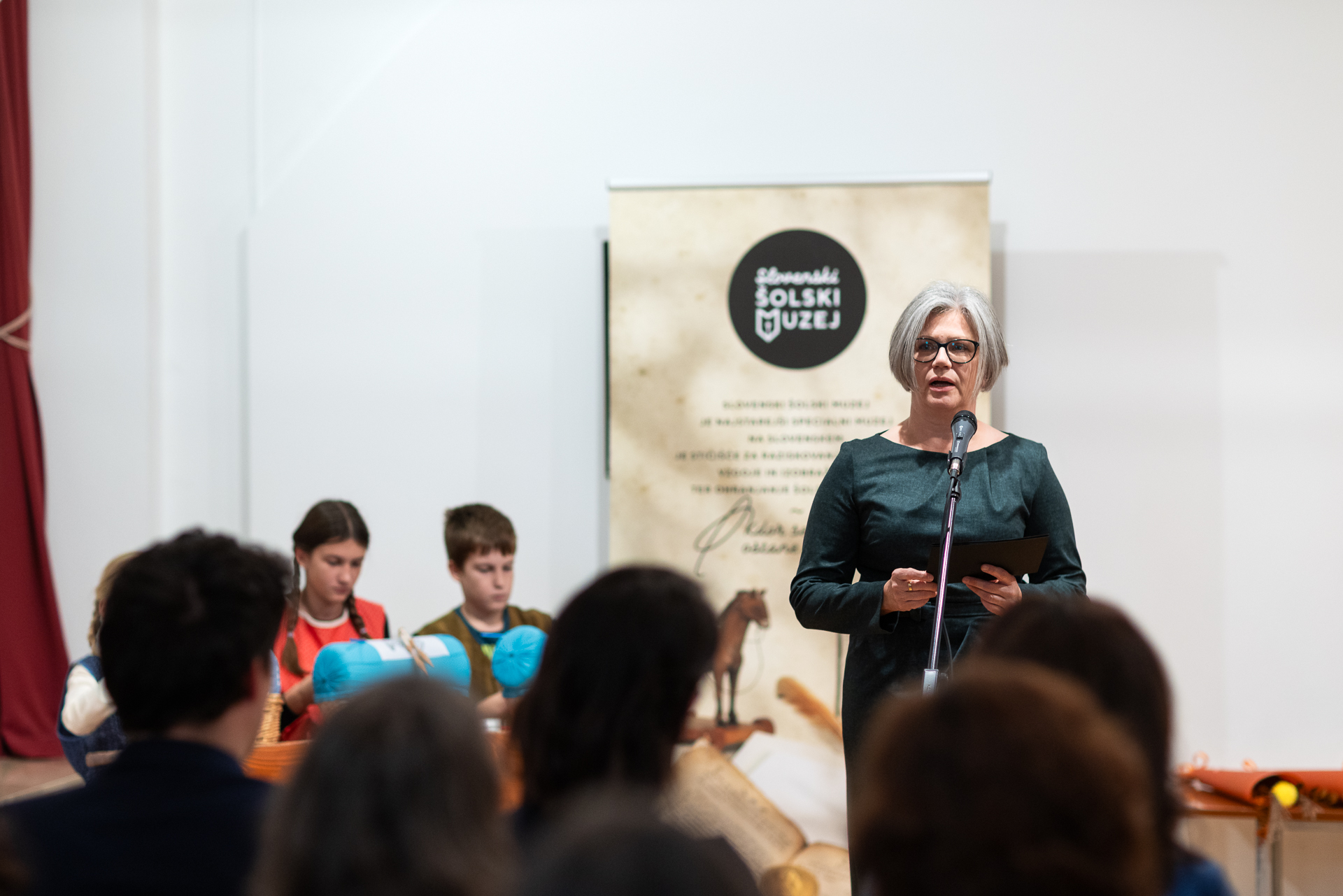
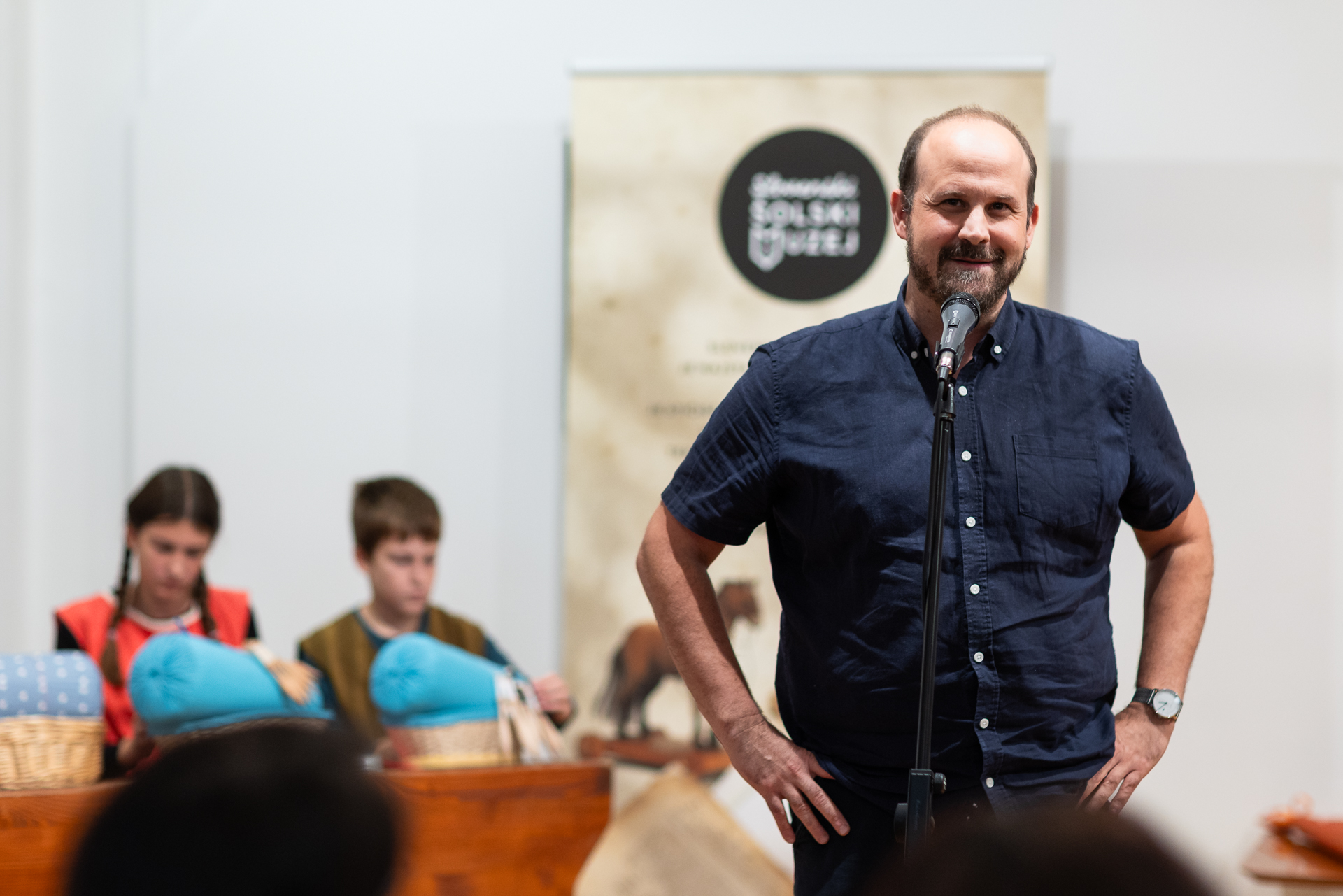
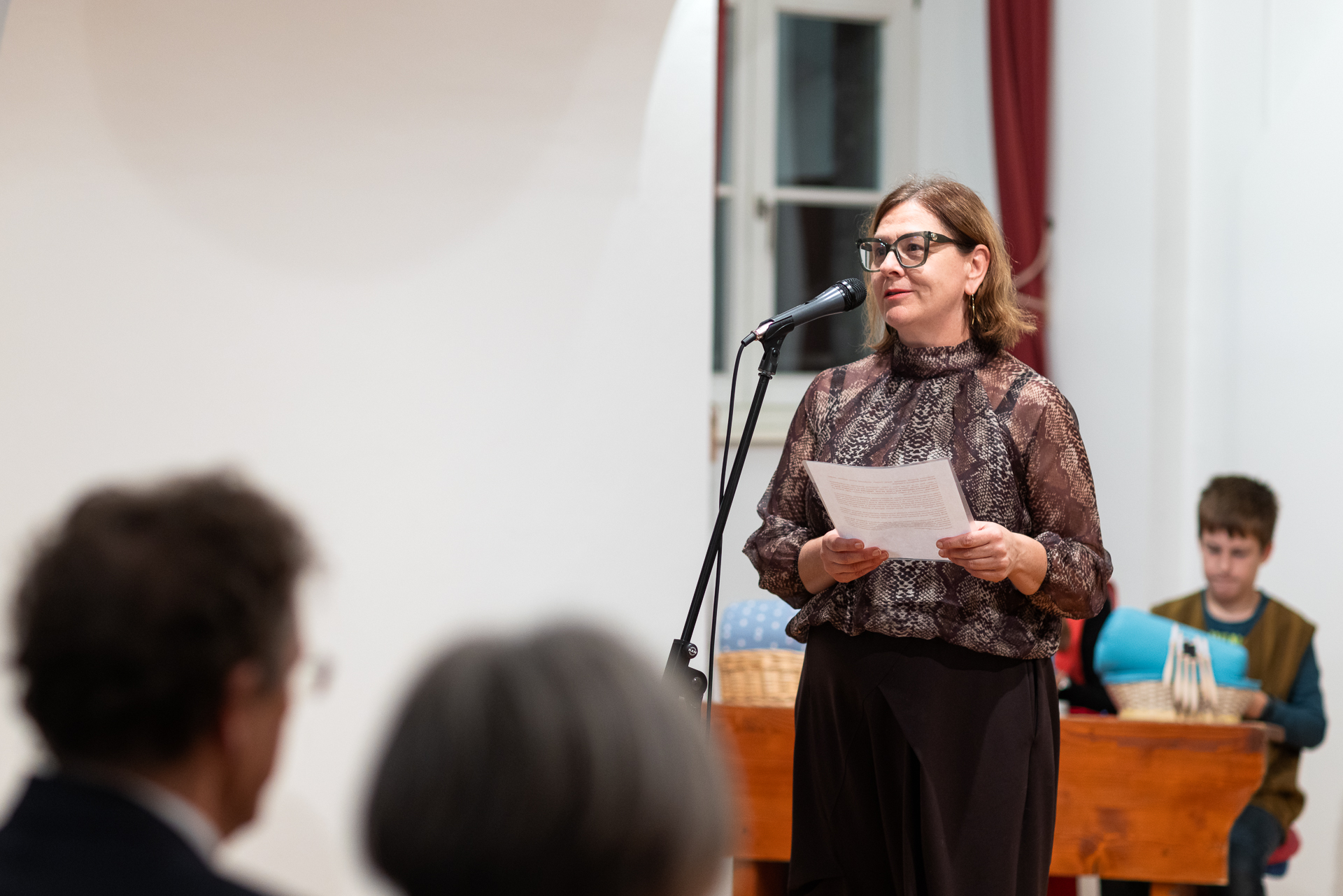
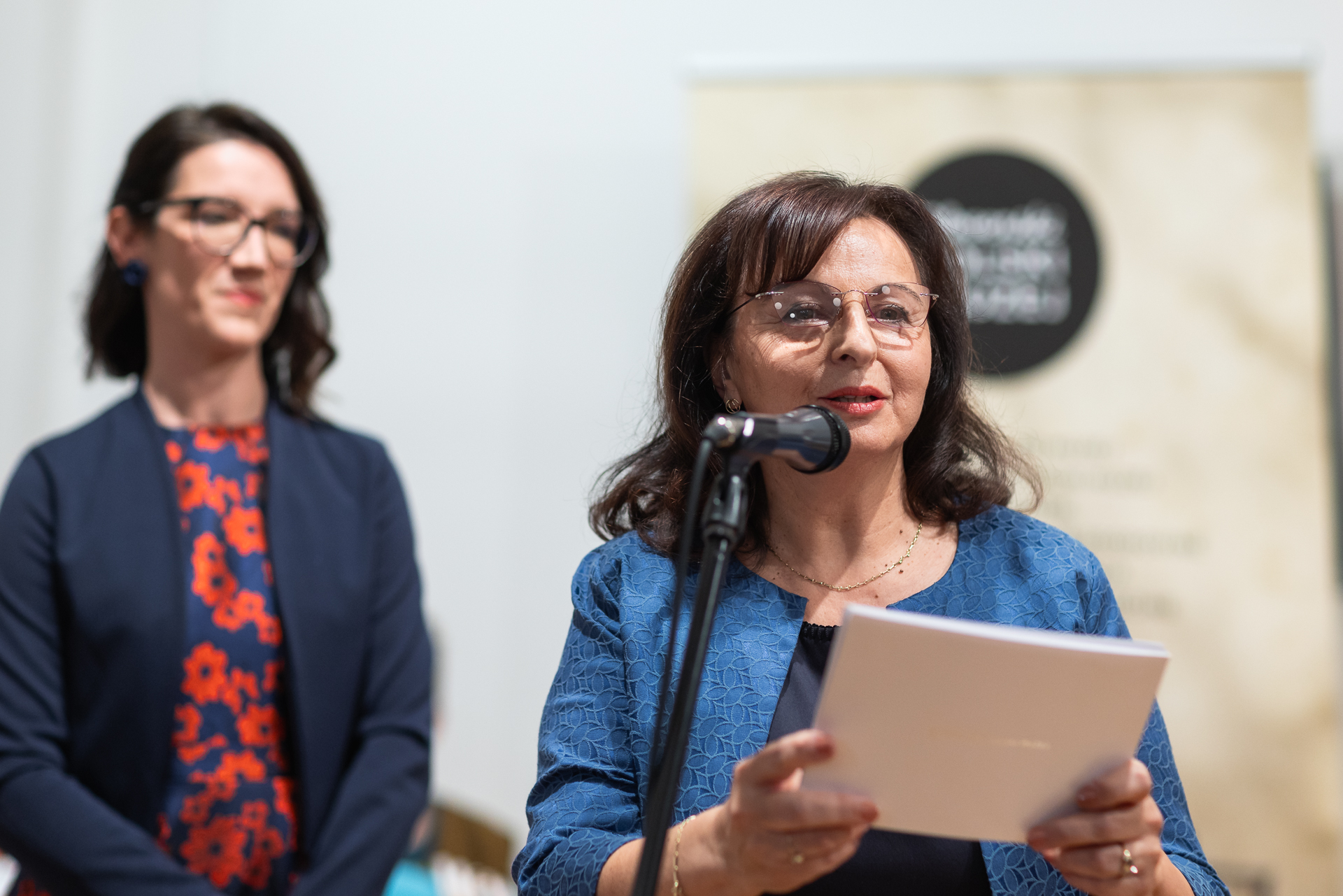
At the exhibition opening, Stane Okoliš, M.A., director of the Slovenian School Museum, highlighted the importance of lace-making education in Slovenia in his opening remarks, Metka Fortuna, head of the Idrija Lace-Making School, proudly commemorated the 150-year tradition of lace-making in Idrija, while Domen Uršič, director of the Center for School and Extracurricular Activities, expressed his delight at the joint collaboration in preserving the lace-making heritage. Dr. Erika Rustja from the Ministry of Education, Science, and Youth also addressed those present.
We hope that knowledge in our society will never hang by a thread.
The exhibition’s creators then provided a detailed overview of the temporary exhibition. Curator Marjetka Balkovec Debevec, M.A., explained that the title of the exhibition, “Knowledge on a Thread,” weaves together multiple meanings. On the one hand, it aims to emphasize how much knowledge is required to transform a delicate thread into intricately crafted lace. On the other hand, the art of bobbin lace-making has been threatened many times throughout its history; lace-making schools have ceased to operate in many places, yet today we can observe a positive trend in its development. The title can also be understood more broadly, not just in the context of lace-making, and we simply hope that knowledge in our society will never hang by a thread.
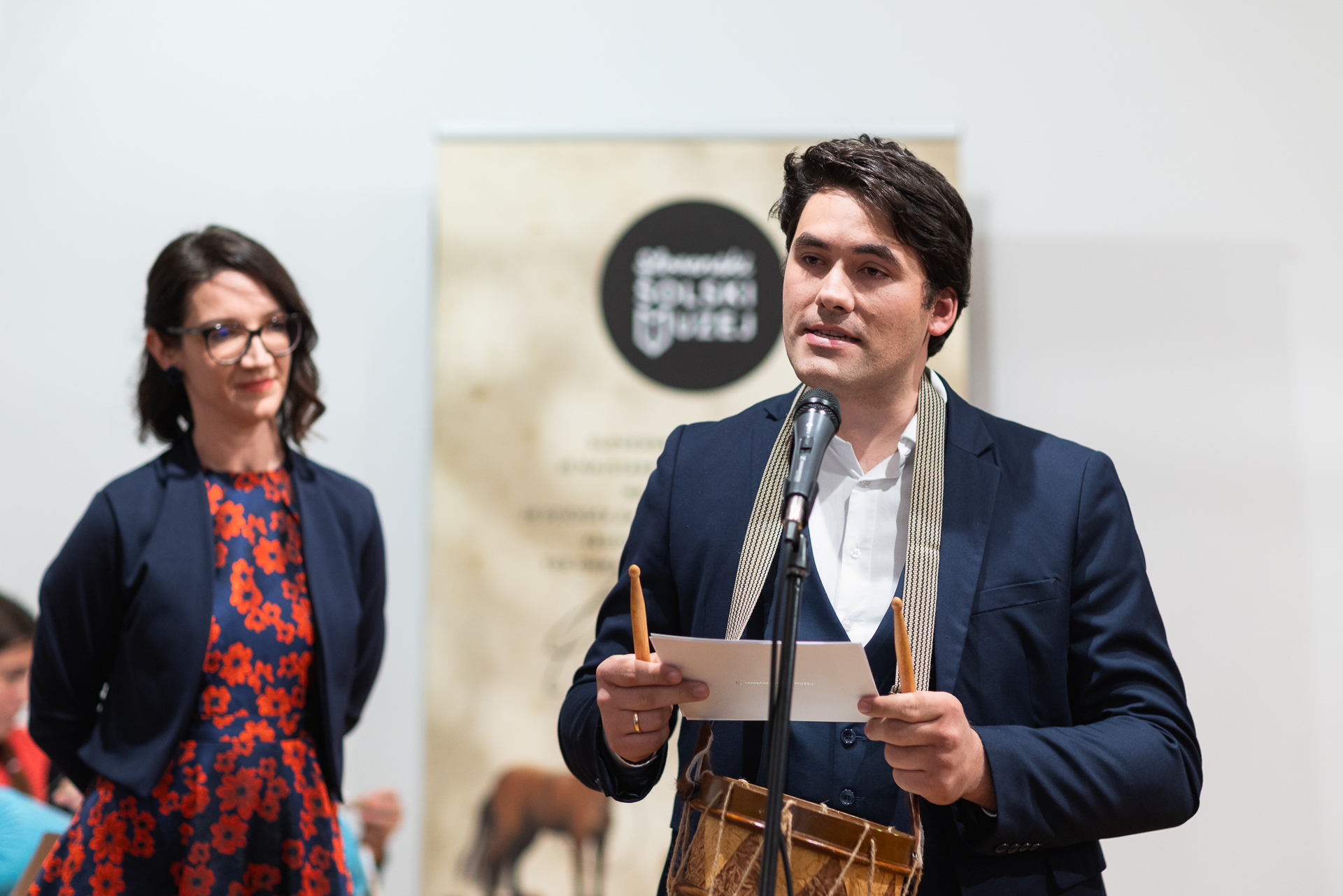
Regarding the beginnings of bobbin lace-making instruction, Marjetka Balkovec Debevec, M.A., said: “It’s interesting to imagine how, a good 260 years ago in Ljubljana, a drum sounded to announce the news. A proclamation was issued announcing the opening of a lace-making school in Ljubljana, inviting the city’s children to enroll in a three-year lace-making course. Classes were held in Baron Zois’s house at what is now Breg 22, and the first teacher was Ana Marija Seipp, who had come from Vienna. At first, she had quite a few difficulties with her students, especially when teaching them precision, which is very important in this craft.
From the First Schools to Contemporary Lace Making Creativity
The art of bobbin lace-making gradually spread from castles and monasteries to the townspeople and peasants. The aforementioned school in Ljubljana, which operated between 1763 and 1768, is considered the first organized lace-making school in what is now Slovenia. Idrija became an important center of lace-making, where a lace-making school was founded in 1876 and remains in operation today. In the late 19th and early 20th centuries, new lace-making schools and courses were established, which contributed significantly to the development of local lace-making traditions. Of these, the lace-making schools in Žiri and Železniki are still in operation today.
During the presentation, Gregor Gartner noted: “Lace-making schools played a crucial role in spreading the art of bobbin lace-making, as they enabled the systematic transfer of skills, patterns, and techniques to new generations, while also ensuring an improvement in the quality of the lace. For many girls, they also represented an important source of additional income for their families. Through their activities, lace-making schools promoted the spread and development of the craft of lace-making, with teachers playing a key role. Some lace-making schools are still in operation today and ensure that lace-making remains a living tradition.”
A Living Heritage for the Future
Lace-making remains a living craft heritage and part of contemporary culture. In addition to traditional forms, lace appears in design, fashion, architecture, and the visual arts. In 2018, Slovenian bobbin lace-making was inscribed on UNESCO’s Representative List of the Intangible Cultural Heritage of Humanity, confirming its exceptional cultural significance.
At the exhibition opening, Polona Koželj pointed out that, throughout history, the transmission of lace-making knowledge to younger generations has often been at risk, but today there is no need to fear for the preservation of this demanding and beautiful craft. Young lace-makers can acquire this knowledge through various educational programs—in lace-making schools, as an elective course in elementary schools, or as part of extracurricular activities. By learning to make bobbin lace, children develop skills and values that we hope future generations will embrace and preserve: patience, precision, perseverance, good work habits, and an appreciation for beauty.
“The younger generations’ interest in traditional lace-making skills is also reflected in the creativity of contemporary artists and designers, who are increasingly incorporating lace into their visual art, fashion, and even architectural works. Its distinctive structure—an interplay of open and closed spaces—offers creators numerous possibilities for expression,” added Polona Koželj.
Lace on Stage and in Music
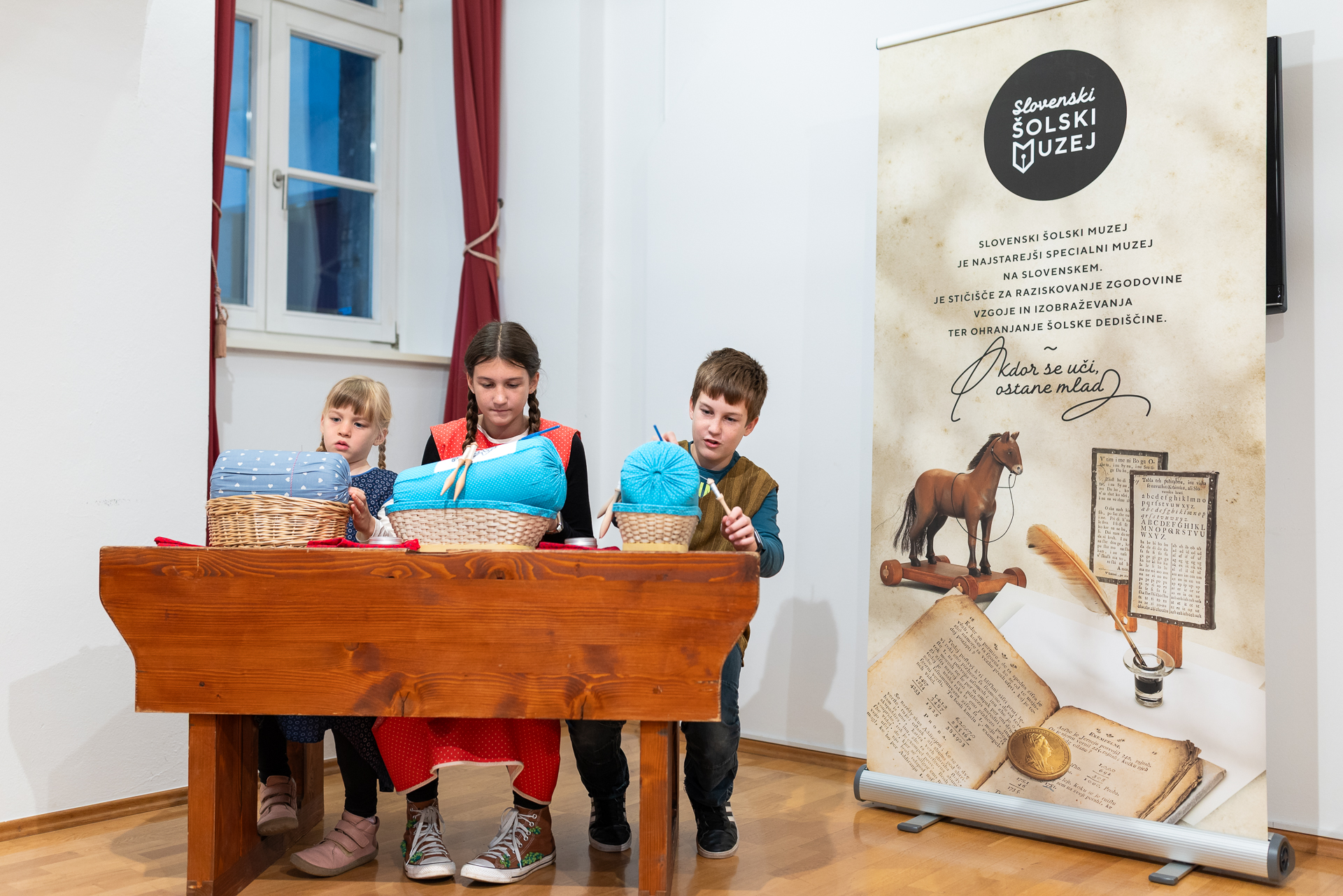
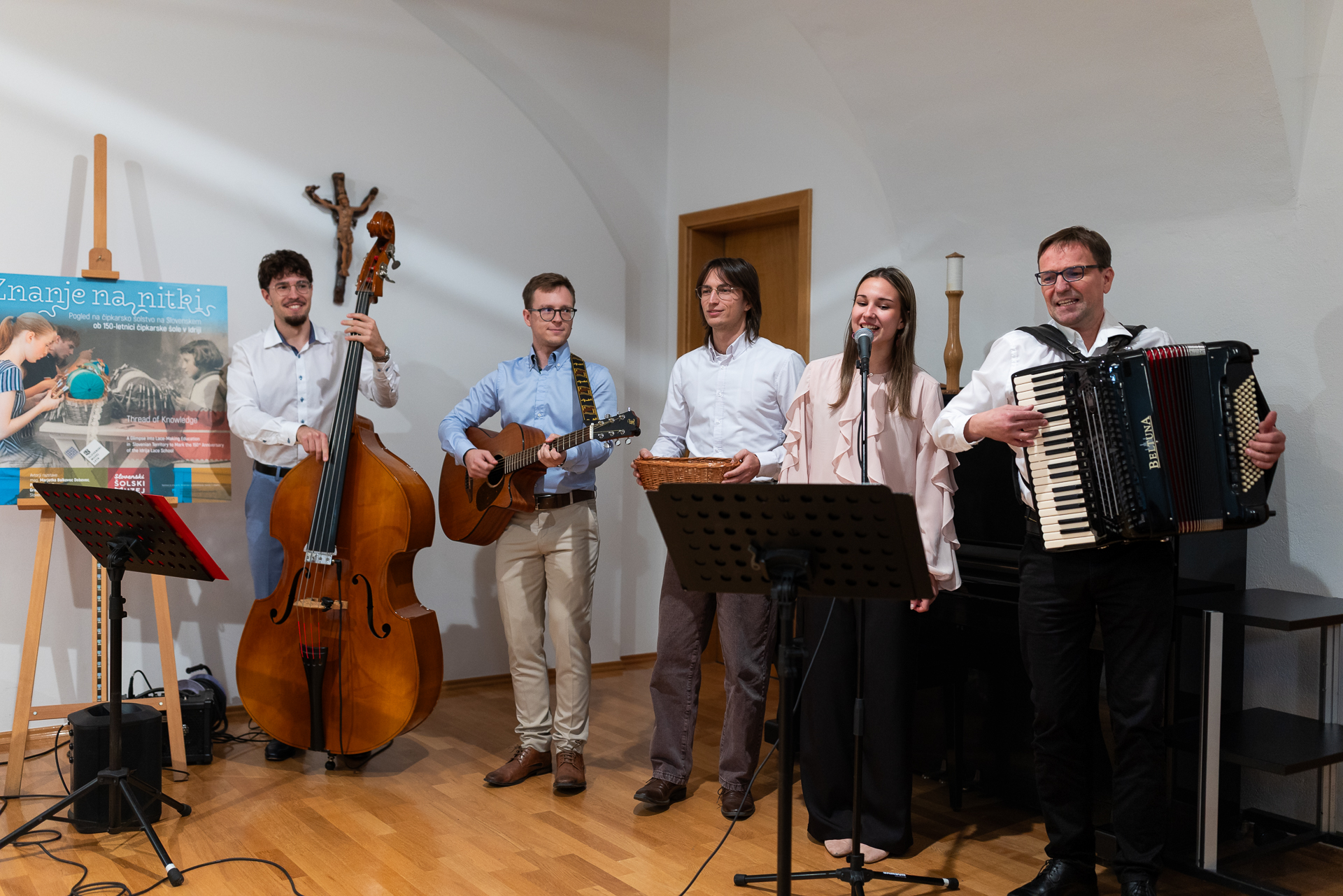
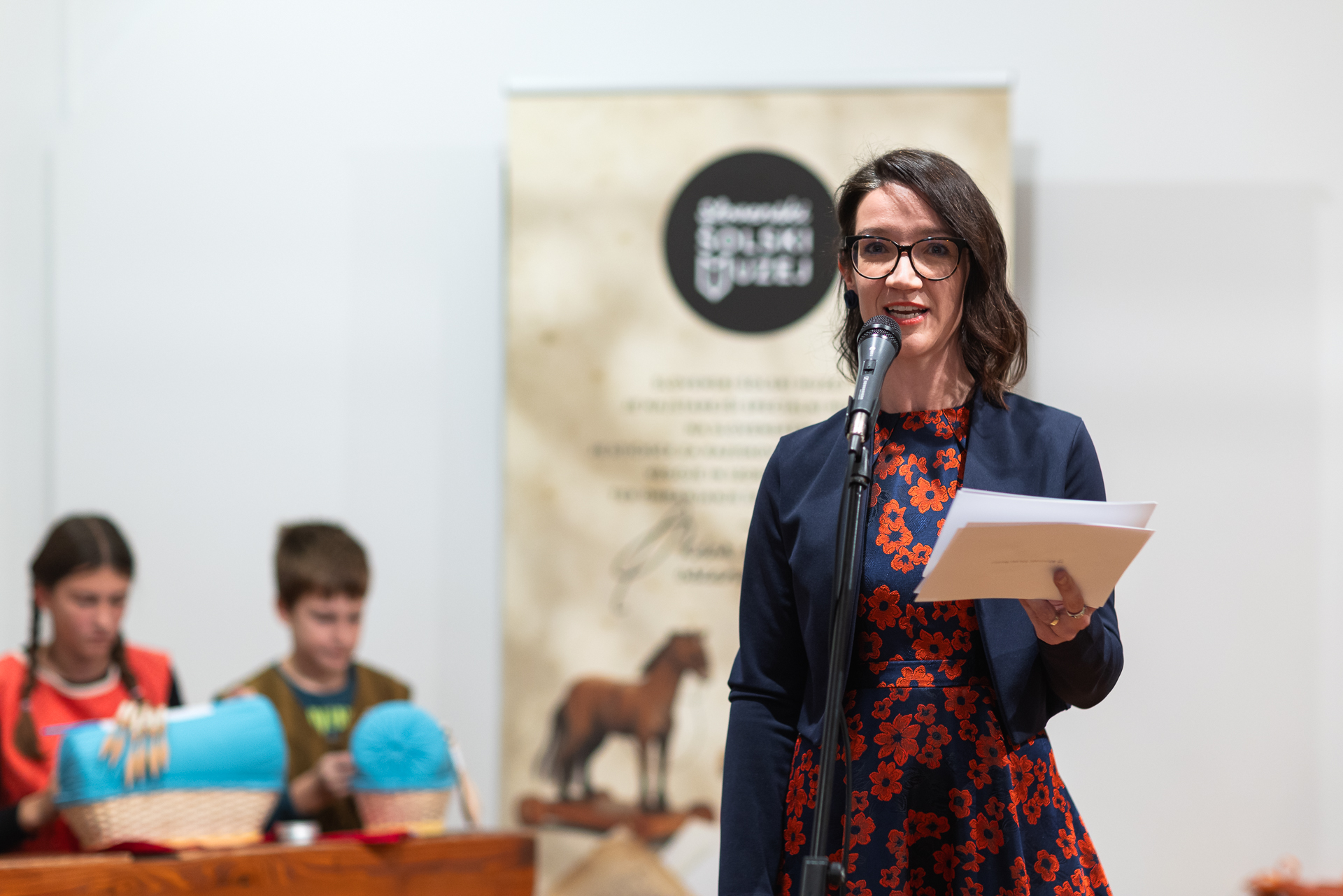
Three enthusiastic lacemakers from the younger generation demonstrated at the exhibition opening that interest in bobbin lace-making is truly on the rise. Lucija, Filip, and Hana from the Žiri Lace-Making School were busy making lace the entire time, demonstrating their craftsmanship live to everyone in attendance. Lace-making also found its way into the music. The Jemc family, with their opening “Lace-Making Anthem”—whose lyrics were contributed by students and their teacher Mojca Jemc from the lace-making club at the Železniki Elementary School—along with two other songs, convincingly demonstrated that lace serves as both an inspiration and a starting point for artistic creation, even in the realm of music. The event was moderated by Andreja Cigale.
“Knowledge on a Thread” is a traveling exhibition
The visual identity of the “Knowledge on a Thread” exhibition was designed by Barbara Sirk and Žiga Okorn of Uvid.si. The exhibition is conceived as a traveling exhibition that will also be hosted in other Slovenian towns in 2027. Our goal is to bring the story of lace-making education to a wider audience and to spark interest in a heritage that connects craftsmanship, creativity, education, and the identity of local communities.