From the late 18th to the mid-19th century
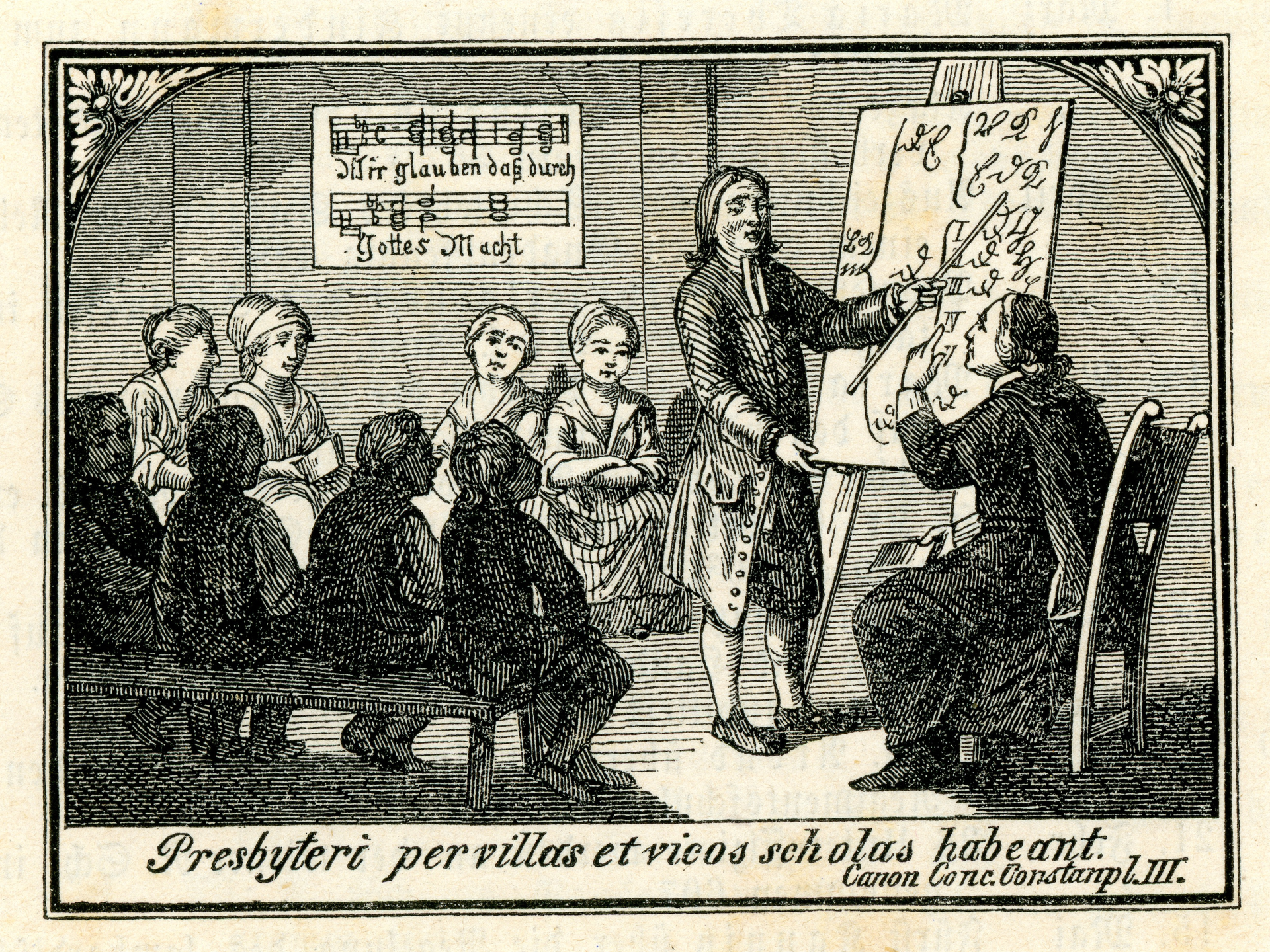
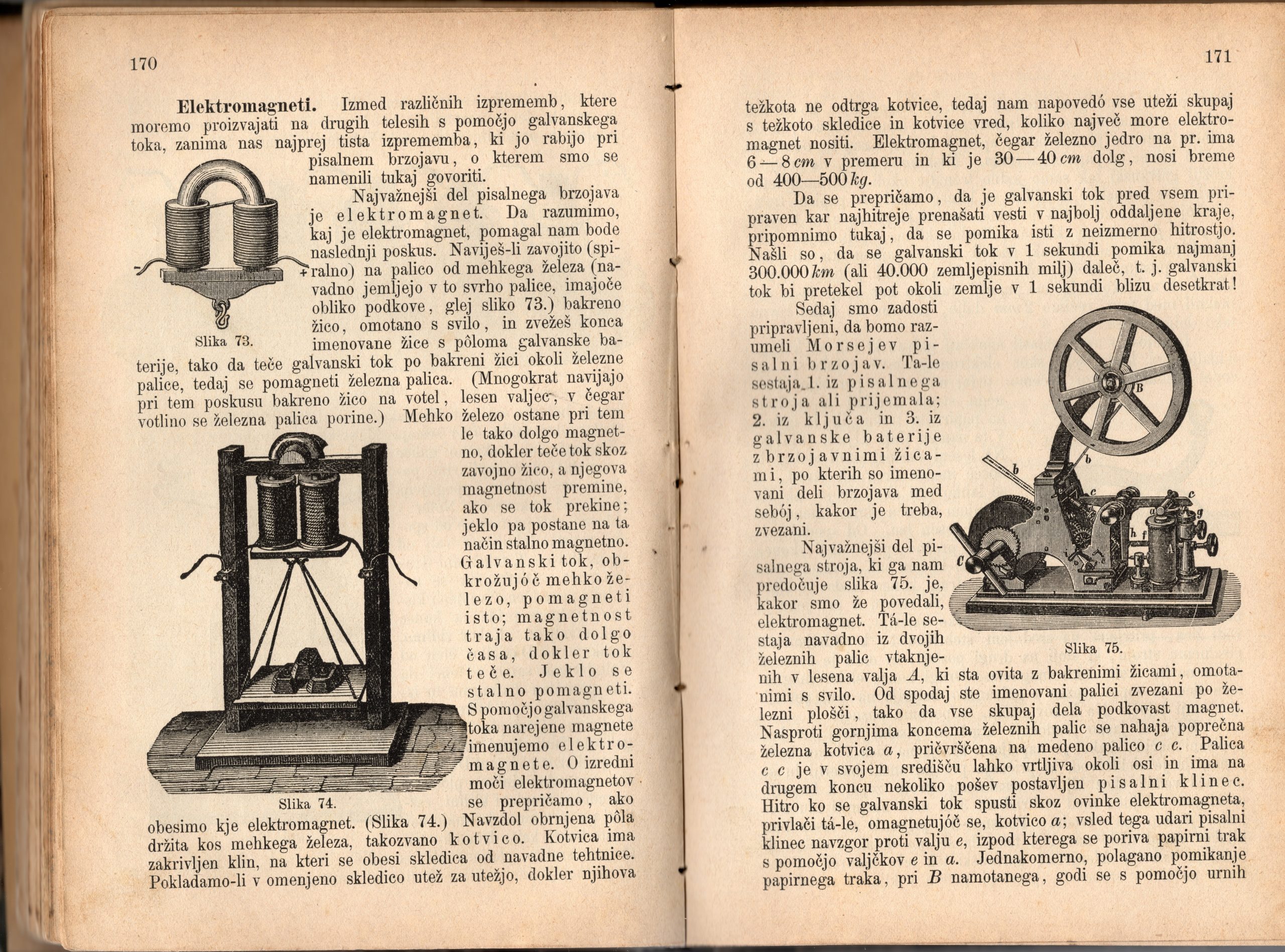
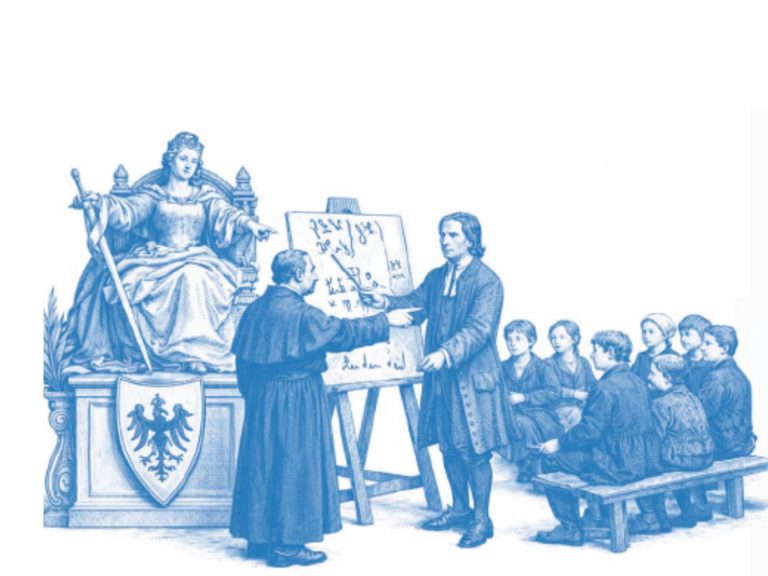
Maria Theresa (reigned: 1740–1780) and her son Joseph II (reigned: 1780–1790), through the school ordinance and other Enlightenment-inspired measures, emphasized that education constituted one of the principal concerns of the state (politicum). In doing so, they did not renounce the traditional role of Catholicism in the Habsburg lands; rather, in strengthening the monarchy they made use, among other things, of the spiritual and moral message, institutions, and pedagogical personnel rooted in the ecclesiastical sphere. The subordination of the Church to the state was further reinforced after 1806, when the school ordinance of Emperor Francis I (reigned: 1792–1835) entrusted responsibility for the expansion of education primarily to Catholic dioceses. Only with the reform of 1869 did the state exercise full control over (elementary) schooling through a comprehensive system, regular funding, and trained lay teachers; even thereafter, however, religious instruction remained one of the compulsory subjects, present at various levels of education.
The second half of the 19th century
In the second half of the nineteenth century, the dominance of the Catholic worldview gradually gave way to new ideas, especially empiricism, liberalism, and nationalism. Education thus became one of the most visible arenas of the so-called Kulturkampf (cultural war). This struggle unfolded not only in the ideological and political sphere – where the divide between conservatives and liberals was most pronounced – but also along national lines, where sharp conflicts emerged above all between proponents of the general dominance of the German language and advocates of the equal public presence of other vernacular languages, such as Slovenian.
After 1918
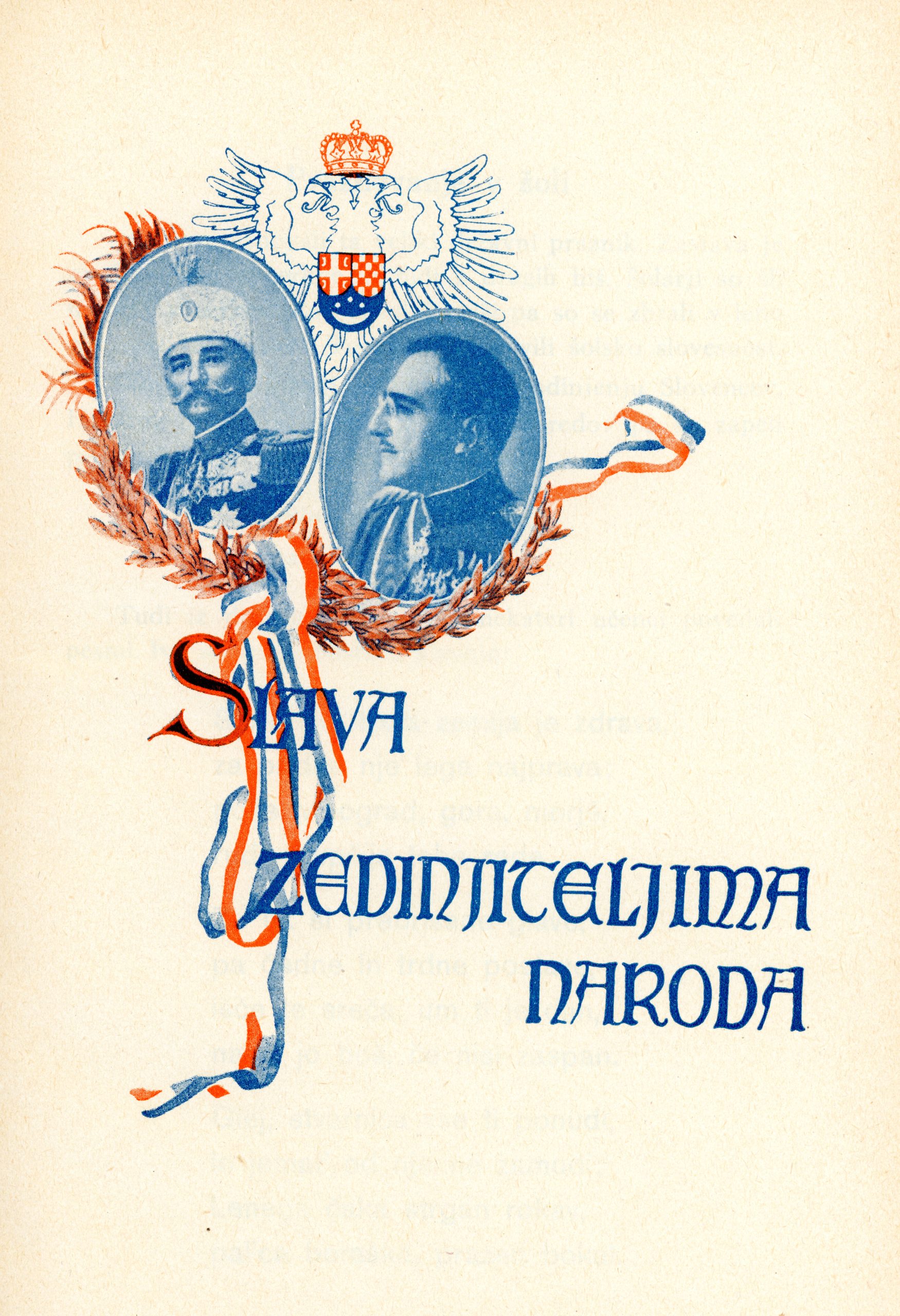
After 1918, when the Austro-Hungarian Monarchy collapsed at the end of the First World War, the central part of the Slovenian territory found itself, after approximately a millennium, within a state framework that was predominantly non-Catholic and committed to the value of religious freedom. Nevertheless, the increasingly secular Kingdom of Serbs, Croats, and Slovenes (renamed the Kingdom of Yugoslavia in 1929) recognized a theological faculty among the founding members of the first Slovenian university, maintained confessional private schooling, and emphasized the importance of familiarity with the spiritual and moral foundations of the religion that traditionally predominated in a given environment. More profound changes toward the removal of religious content and communities from education and the broader public sphere – signifying the complete triumph of the state socialist ideology – occurred in the Slovenian territory only after the end of the Second World War.